The origins of AGAMI
History and origins
The story — rare and authentic — of those who have truly lived on both shores of the Mediterranean
A departure, at the beginning of this story
From a journey begun in the 1980s to a legal bridge between the two shores of the Mediterranean
There is a departure at the beginning of this story. In the 1980s a man left Morocco for Italy, carrying with him more hopes than certainties. Mohamed Badrane set out with no titles or guarantees, but with a conviction that would become his family's most enduring legacy: that study and knowledge are the highest form of freedom, and that one's roots are not abandoned, but handed down.
From that departure, a generation later, came a path spanning two languages, two cultures and two legal traditions. Those who grew up between Morocco and Italy chose law as a means of understanding, inclusion and protection, transforming a personal story into research, research into publications and publications into a collective project.
AGAMI is the point where that private journey becomes a shared heritage: a legal and cultural bridge between the two shores of the Mediterranean, built by those who have truly lived on both shores. It is this continuity — between those who left, those who grew up between two worlds and those yet to come — that makes AGAMI different from any other association.
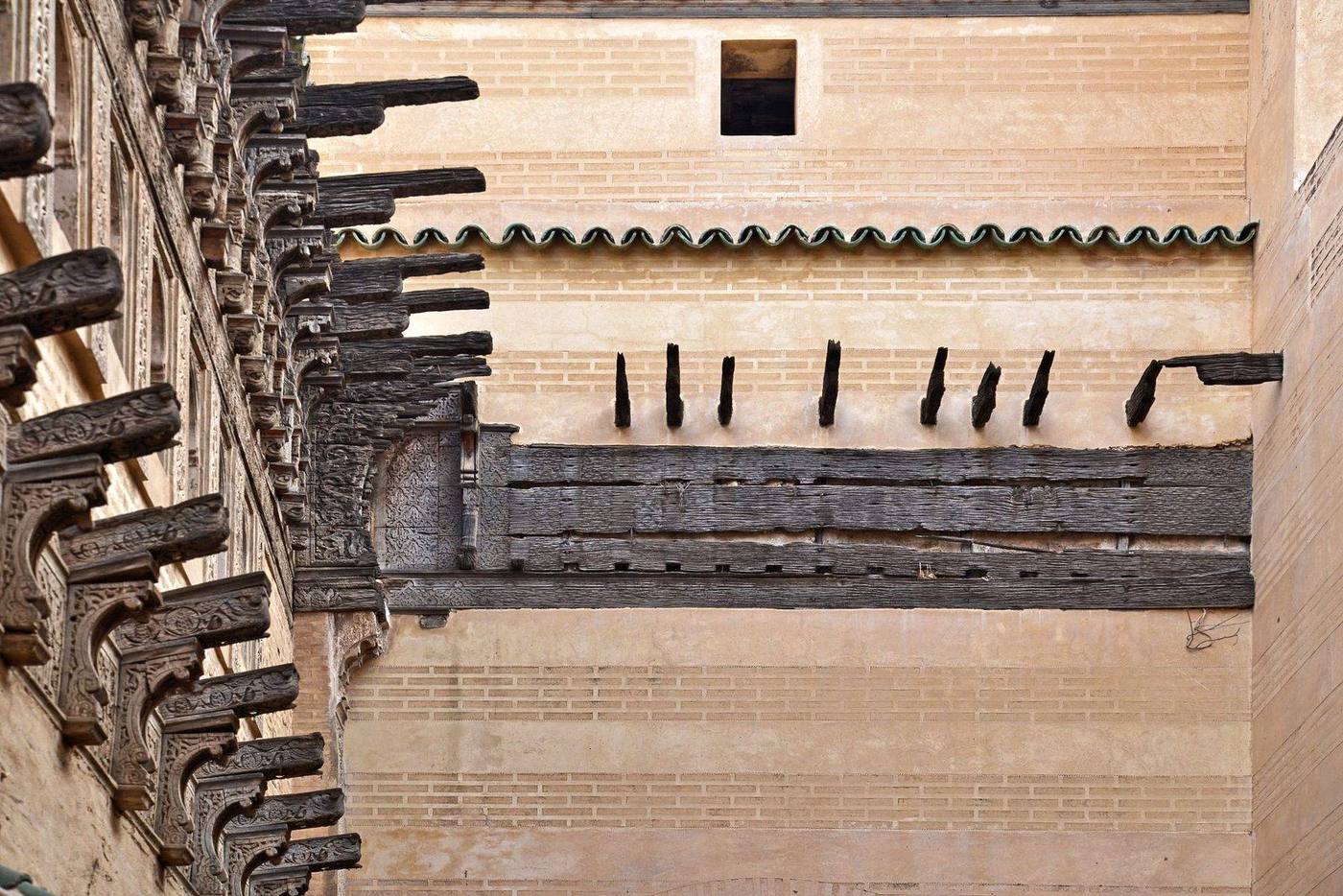
Study and knowledge are the highest form of freedom; one's roots are not abandoned, but handed down.

Our history
From research to a collective project
Raised in Italy in a Moroccan family that emigrated in the 1980s, Kaoutar Badrane developed from an early age an interest in law as a tool for understanding, integration and the protection of people. In 2006 she graduated in European and Transnational Legal Studies from the University of Trento, with a thesis on the Moudawana, the Moroccan Family Code.
That research gave rise to the volume “Il codice di famiglia in Marocco” (libreriauniversitaria.it edizioni, 2012), one of the first Italian publications entirely devoted to the Moroccan Family Code, with an annotated translation of the text and an analysis of family law institutions before and after the 2004 reform. In the following years her scholarly work continued between Italy and Morocco and extended to immigration, citizenship and private international law; in 2021 the work “Cenni sulla legislazione in materia di immigrazione” was published.
In 2010, during an international meeting organized in Rabat by the Ministry in charge of Moroccans Residing Abroad, the creation of an international network of Moroccan professionals around the world was proposed: from that proposal AGAMI was born, officially established in Italy in 2011 as the first association of lawyers of Moroccan origin in the country.
Milestones
The key dates in our history
- The 1980s Mohamed Badrane leaves Morocco for Italy, carrying with him the conviction that study and knowledge are the highest form of freedom.
- 2006 Kaoutar Badrane graduates in European and Transnational Legal Studies from the University of Trento, with a thesis on the Moudawana, the Moroccan Family Code.
- 2010 In Rabat, during an international meeting organized by the Ministry in charge of Moroccans Residing Abroad, the creation of an international network of Moroccan professionals around the world is proposed.
- 2011 From that proposal AGAMI is born, officially established in Italy as the first association of lawyers of Moroccan origin in the country.
- 2012 The volume “Il codice di famiglia in Marocco” (libreriauniversitaria.it edizioni) is published, one of the first Italian publications entirely devoted to the Moroccan Family Code.
The legacy of the project
“Knowing one's roots in order to build bridges between cultures, legal systems and generations.”
Today AGAMI continues and broadens that vision, promoting legal research as a tool for dialogue, innovation and cooperation among legal systems, institutions, universities and civil society.